Small Head Trick or Treat Embroidery Review
A First Look at the Design
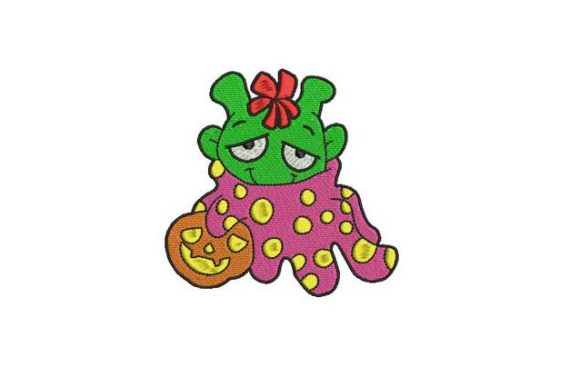
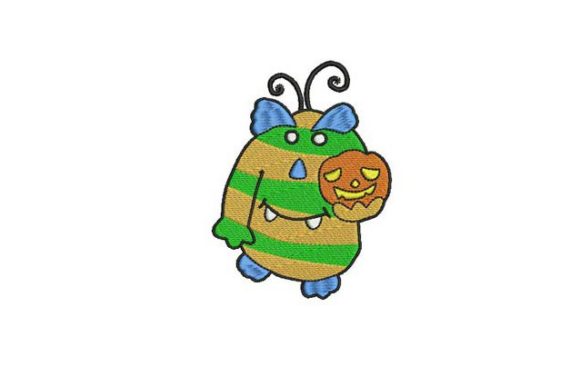
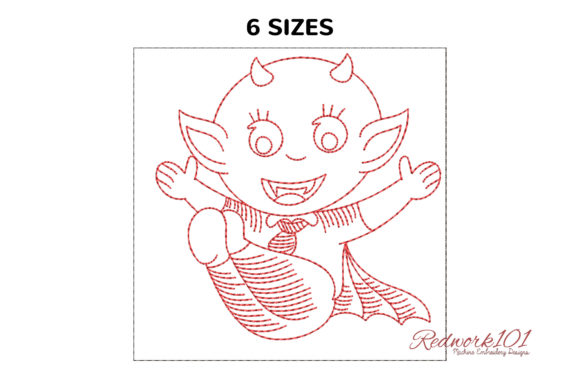
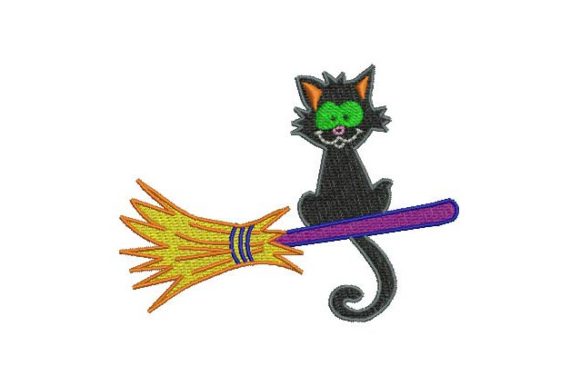
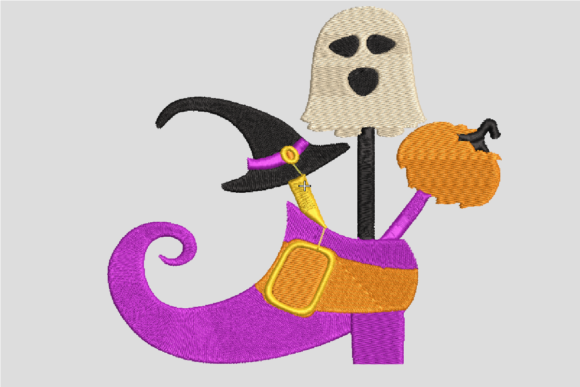
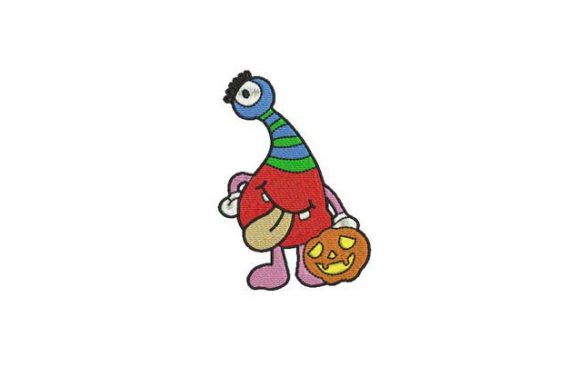
When I first opened the Small Head Trick or Treat machine embroidery design, I was immediately drawn to its playful yet refined aesthetic. The ten colorful baby Halloween designs feel like a curated collection of whimsical characters—think little ghosts, ghouls, and pumpkins—all rendered in a way that feels both festive and approachable. The mood it creates is light-hearted and perfect for seasonal projects, especially those aimed at younger audiences.
The layout is compact, fitting neatly within the 4x4 hoop size, which makes it ideal for small-scale embroidery applications. Each character is detailed enough to be recognizable but not so intricate that it would overwhelm a tiny hoop. This balance suggests that the design is well-thought-out for its intended use cases, such as embroidered patches, baby clothes, or personalized gifts.
Real-Life Use: A Custom Tote Bag Project
Let’s imagine using Small Head Trick or Treat on a custom embroidered tote bag. The design's bright colors pop nicely against white or light-colored fabric, making it an eye-catching addition to any handcrafted product. I can see this working beautifully on a cotton tote with a soft stabilizer underneath, ensuring the stitches hold up during frequent use.
However, I would test the design on scrap fabric first to ensure the stitch density doesn’t cause puckering or distortion. For a tote bag, I’d also consider how the placement of the design affects the overall look—maybe centering it or placing it near the handle area for visual balance.
One thing to note is that while the colors are vibrant, they might require careful thread color selection to match the fabric background. If using dark fabric, the contrast may need adjustment, and some of the more subtle details could become less visible.
Where It Shines and Where It Needs Caution
Small Head Trick or Treat excels in projects where a cheerful, seasonal touch is needed without overwhelming the design. It’s a great fit for custom apparel, sweatshirts, pillow covers, or even nursery decor. Its compact size also makes it suitable for embroidered patches or cap designs, though care should be taken with curved surfaces to maintain clarity.
On the flip side, this design may not be the best choice for items requiring frequent washing or heavy use. The detail level, while charming, could be affected by repeated laundering if proper stabilizers aren’t used. Additionally, when applied to thin or stretchy fabrics, the stitching may pull or distort unless reinforced appropriately.
For commercial embroidery or craft business use, I’d recommend checking the licensing terms before selling finished products or digital assets. Always confirm whether the files are compatible with your embroidery machine and if you’re allowed to resell them as part of your product line.
Design Notes for Embroidery Professionals
If you're planning to use Small Head Trick or Treat in a real project, here are a few practical steps:
- Test on scrap fabric to check how the design interacts with different textures and weights.
- Review stitch density to ensure it doesn't cause puckering or damage to the fabric.
- Check thread color contrast—especially if you plan to use it on dark backgrounds.
- Use proper stabilizer to prevent shifting or stretching, particularly on delicate materials.
- Compare light and dark fabric backgrounds to understand how the design will appear in different contexts.
- Confirm licensing before selling any finished products or digital versions of the design.
Also, consider creating a printable mockup to visualize how the final embroidered patch or embroidered sweatshirt will look in your shop or online listings. This can help increase buyer engagement and build trust with customers who value quality and attention to detail.
Final Thoughts on Small Head Trick or Treat
Small Head Trick or Treat brings a delightful, seasonal charm to any embroidery project. Whether you're a hobbyist looking to create personalized gifts or an Etsy seller aiming to expand your holiday product line, this design has potential. Just be mindful of the fabric type, placement, and preparation steps to ensure the best results.
In the right context, this design can elevate a simple item into something memorable—whether it's a handmade product, a small shop product, or a custom apparel piece. As always, testing and preparation are key to achieving professional-quality embroidery work that stands out to customers and clients alike.