Little Bear Embroidery Review for Handmade Projects
As an embroidery designer who regularly sources digital designs from Creative Fabrica, I’ve had the chance to explore a variety of machine embroidery files. Recently, I came across the Little Bear design in the Baby Animals category and decided to evaluate it for potential use in real-world handmade products. Here’s my honest take on how this design performs and where it might fit best.
First Impressions: Visual Mood and Detail Level
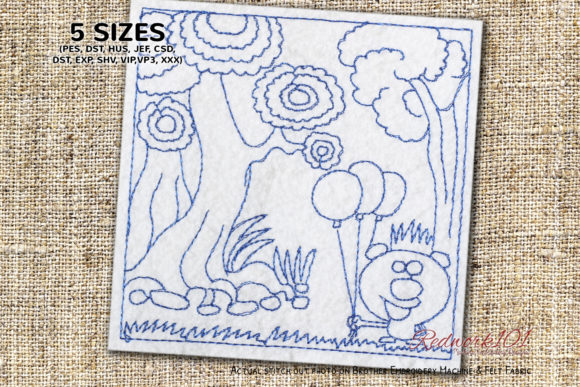
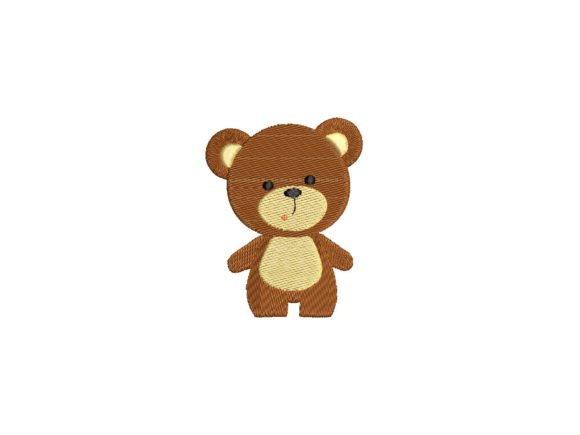
The Little Bear design immediately stands out with its soft, whimsical aesthetic. The visual mood is gentle and playful, making it ideal for baby-related items or nursery decor. The level of detail is impressive—each fur texture, ear shape, and facial feature is carefully rendered, giving the bear a charming, lifelike appearance. This kind of attention to detail can elevate the look of any embroidered product, especially when used as part of a larger design or standalone applique.
Fitting the Design into Real Projects
Little Bear naturally fits well into a range of projects that call for a cute, approachable animal motif. Whether you're working on custom apparel like sweatshirts or caps, tote bags, baby blankets, or even embroidered patches, this design has the versatility to work across multiple surfaces and fabric types.
For instance, I envision using Little Bear as a central feature on a children's pillow cover or as part of a set of embroidered kitchen towels. It could also be adapted for a seasonal handmade gift, such as a holiday-themed apron or a personalized gift for a new baby. Its small size makes it perfect for cap embellishments or as a subtle accent on a tote bag design.
Practical Use Considerations
While the design is visually appealing, there are practical considerations when using Little Bear in real embroidery work. For example, if you're planning to stitch it onto stretchy fabrics like knits or t-shirts, it's essential to use the right stabilizer to prevent distortion. Similarly, if you're working with dark-colored fabric, you'll need to ensure the thread colors used provide enough contrast to make the bear stand out.
Another thing to keep in mind is hoop size. Since Little Bear is relatively small, it should work well in smaller hoops, which is great for those with limited space or who prefer to work on smaller projects. However, if you plan to use it on curved surfaces like caps or mugs, you may need to adjust the design slightly to accommodate the contours.
If you're aiming for commercial embroidery, it's important to test the design on scrap fabric before committing to a large production run. Check for issues like stitch density, especially around areas with dense details, and inspect small elements like the bear’s eyes or nose to ensure they remain clear after stitching.
Enhancing Product Value and Appeal
Using Little Bear in your handmade products can significantly enhance their visual appeal and perceived value. The design adds a touch of charm and personality, which can attract buyers looking for unique, personalized items. Whether you're selling on Etsy, at craft fairs, or through your own boutique, incorporating this design can help differentiate your products and build brand consistency.
Additionally, the design can be used to create printable mockups for marketing purposes. These mockups can help customers visualize how the finished product will look, increasing buyer trust and engagement. When paired with high-quality photography, Little Bear can become a standout feature of your handmade listings.
Embroidery Tips for Best Results
To get the most out of Little Bear, here are some practical embroidery notes:
- Test on scrap fabric: Always do a test run before using the design on your final project to catch any potential issues early.
- Check thread color contrast: Ensure the thread colors used match well with the fabric color to maintain visibility and vibrancy.
- Review stitch density: If the design includes dense areas, consider adjusting the stitch count or using a different type of stitch, like satin stitch or running stitch, to avoid puckering.
- Confirm hoop size: Make sure your hoop is appropriate for the design’s dimensions to prevent stretching or misalignment.
- Use proper stabilizer: Especially important when working with stretchy or textured fabrics, a good stabilizer will help maintain the integrity of the design.
- Inspect small details: After stitching, take a close look at intricate parts of the design to ensure they look clean and well-defined.
- Confirm file details and licensing: Always check the Creative Fabrica product page for information about file formats, hoop sizes, and licensing terms before selling finished items.
Overall, Little Bear is a versatile and beautifully designed machine embroidery file that can add a delightful touch to a wide range of handmade and commercial embroidery projects. As long as you take the time to test and prepare properly, it can be a valuable addition to your design assets.